SRINAGAR, NOVEMBER 16 – On the occasion of World Diabetes Day 2026, a special academic and awareness event was organized by a distinguished group of endocrinologists and physicians, bringing together eminent academicians, healthcare professionals, researchers, writers and members of civil society to deliberate on the growing burden of diabetes and the need for region-specific approaches to its prevention and management.
The programme commenced with an introductory address by Dr. M. Hayat Bhat, Head of the Department of Endocrinology, Government Medical College, Srinagar, who highlighted the significance of World Diabetes Day.
The highlight of the programme was the Lecture of Excellence delivered by Prof. Ab. Hamid Zargar, former Director, SKIMS, who provided valuable insights into the local diabetes scenario. He discussed the evolving challenges, regional issues and research contributions in the field of diabetes over the past three decades, underscoring the importance of locally relevant research and evidence-based interventions.
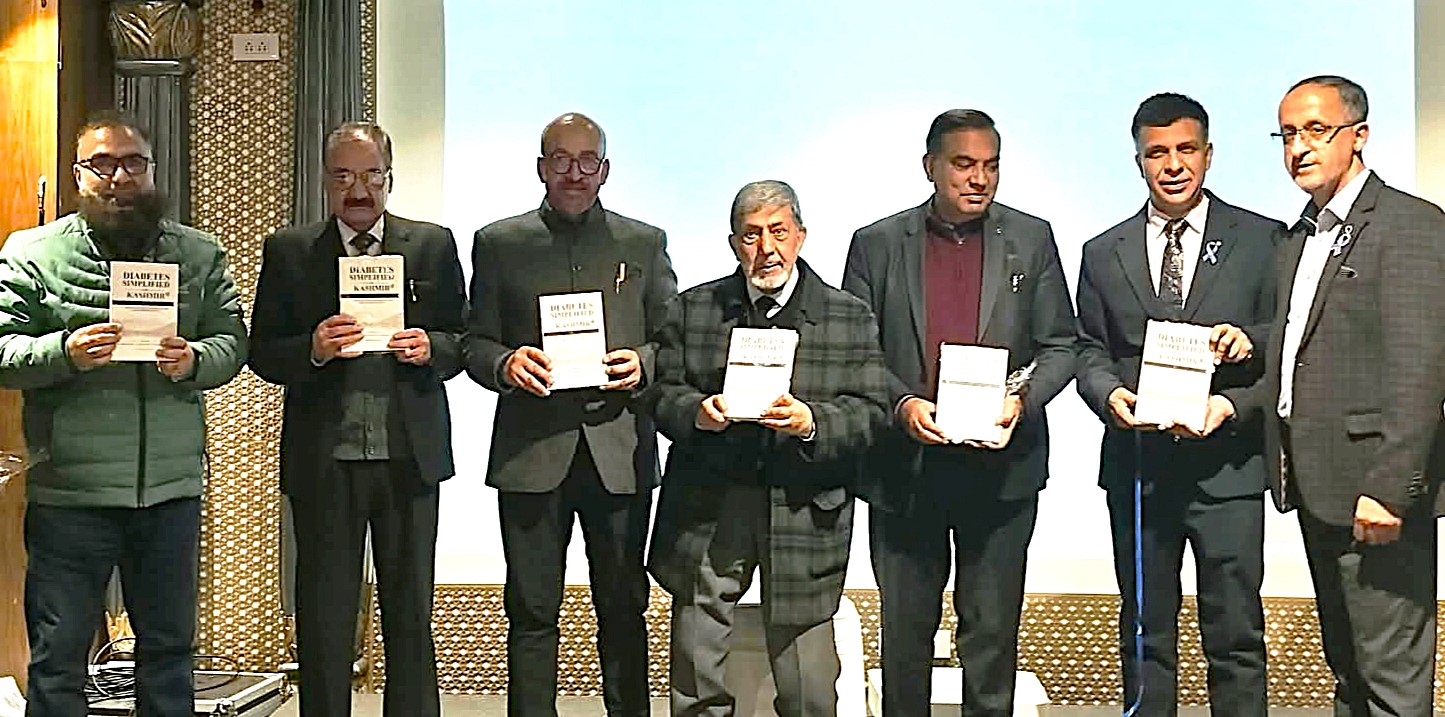
A major highlight of the occasion was the release of the book “Diabetes Simplified for Kashmir”, jointly authored by Dr. Shahnawaz Mir, Associate Professor, Department of Endocrinology, GMC Srinagar; Dr. Nasir Shamas, Consultant Physician and HOU, JLNM Hospital; and Prof. M. Hayat Bhat, Head, Department of Endocrinology, GMC Srinagar.
The book is among the first comprehensive attempts to address diabetes through the lens of Kashmir’s unique regional context. It offers insights into local dietary habits, cultural practices, food preferences, lifestyle patterns and their implications for diabetes, while providing practical, evidence-based recommendations for prevention and management. The initiative aims to bridge the gap between scientific knowledge and its practical application in the everyday lives of the local population.
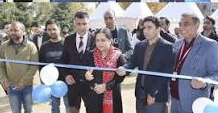
The book was formally released by an eminent panel comprising Prof. Ab. Wahid, Prof. Saleem Khan, Prof. Shariq Masoodi, Prof. Nazir Mushtaq, Mr. Saleem Beigh and Prof. A.R. Nasti. The distinguished panel unanimously emphasised the importance of such locally relevant publications in promoting health literacy, awareness and sensitisation among the Kashmiri population. They appreciated the authors for undertaking an initiative that brings scientific knowledge closer to the community by incorporating its cultural and dietary realities.
In his vote of thanks, Dr. Shahnawaz Mir expressed gratitude to his teachers, students, patients, researchers and all those who contributed to and supported the initiative. He acknowledged their collective role in making Diabetes Simplified for Kashmir a meaningful academic and public-health endeavour.
The gathering was notable for its diverse participation, with doctors, researchers, innovators, writers, historians, journalists, conservationists, students, dieticians and entrepreneurs in attendance, reflecting the multidisciplinary nature of the fight against diabetes.
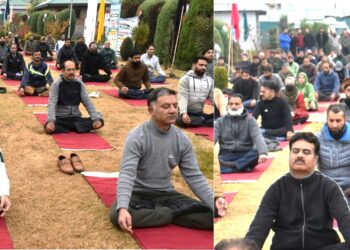
Beyond conventional medical interventions, the programme also highlighted the importance of dietary innovation and physical activity in diabetes prevention and control. Special emphasis was laid on the consumption of high-fibre foods and low-glycaemic-index alternatives. Information was shared about “Sugar Cut Rice”, an innovative low-GI rice initiative by Mr. Aadil Jeelani, as an example of efforts to explore healthier food choices for the community.
Promoting physical activity as an essential component of a healthy lifestyle, a walking guidebook titled “Five Miles”, authored by Dr. Nasir Shamas, was also distributed among participants. The book seeks to encourage daily walking, fitness and a healthier lifestyle through walks along Kashmir’s heritage routes, combining physical well-being with an appreciation of the region’s cultural legacy.
The event concluded with a collective message that effective diabetes prevention and management require more than medical treatment alone. Community awareness, culturally appropriate dietary choices, regular physical activity, research, innovation and sustained public participation remain essential to addressing the growing diabetes challenge in Kashmir.